

Over the next 10 years, Social Media influencers will not be used by companies to promote products
- Avant Garde

- 23 okt 2019
- 3 minuten om te lezen
Influencing is as old as humankind, it is one of the known fundamental human trait and has always been a part of public relations business (Whatmough 2018). The emergence of digital distribution methods, such as social media platforms, have changed the game stream of influencing in the past decade.
In this era, Whatmough (2018) believed that influencer marketing is at its peak of success and perceived to be at its most powerful as they vastly grow significant number of audiences through social media channel that triggers to lure businesses and brands to take advantage of their network. However, along with the risks in online authenticity and data credibility - this industry technique will seize to diminish in the next 10 years when companies start to realize the downfall and worth of this strategy.
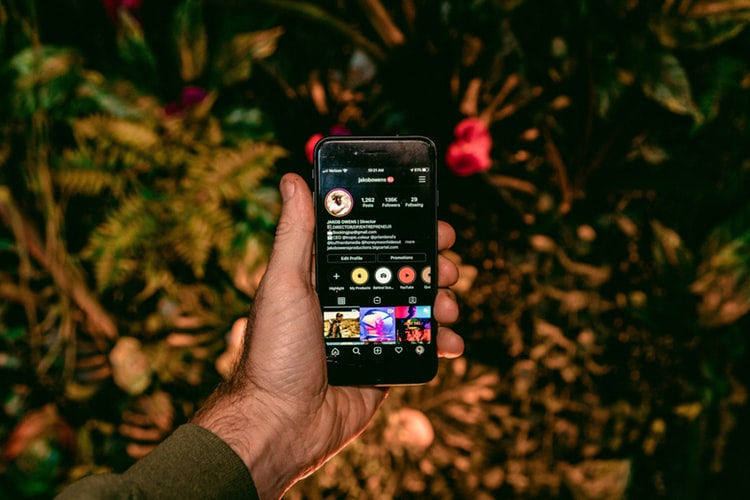
Visuals catch the attention of the consumers. The human brain processes visual graphics faster than texts and visuals are especially strong emotional connectors that are effective instruments to catch attention. It is undeniable that visual illustrations can add more meaning and emotion to any particular thing. Visual facets are a big part of influencing and are usually incorporated in most social media platforms (Serafinelli, 2018). It easily triggers the consciousness of the people since it is the fastest way to catch someone’s attention. Therefore, development in this area has been widespread in the marketing field because the trend from the previous years showed that this will play a great part for the future of media marketing.
Due to the popularity of social media in the postmodern world, most companies venture on this marketing channel to communicate with their target audience. Integrated marketing communication framework used to be a very effective tool in marketing, however, postmodernity has proved that the market is too complex and consumers have shifted their behavior and preference in perceiving a marketing message (Christensen, Torp, & Firat, 2005).
Constantinides (2014) presumed that “The Social Media have changed the power structures in the marketplace; evidence points to a major power migration taking place and to emergence of a new breed of powerful and sophisticated customer, difficult to influence, persuade and retain.”. Therefore, social media does not only empower and positively benefit marketing communication strategy in all instances, rather it also challenges the marketers to battle with the behavior alteration of the consumers on how they respond to the strategy used. Though social media platforms became a powerful tool for online communications that allows to interact with the consumers and share views that will enrich the product branding, there are still several challenges that should be carefully considered to achieve an effective marketing communication strategy and avoid misconceptions that may cause to deliver a wrong message to the consumers that lead to product branding failure.

Success comes along with risks. Social media influencers are savoring their reign as this is their perfect moment to take advantage of their power in appealing to brands and businesses (Whatmough 2018). Along with this peak are the high risks of branding and targeting failure. The occurrence of fake profiles and bots has brought reputations crashing down as it is now possible to buy fake followers and pay bots to like or comment on a particular post (CNBC, 2019). With a lack of proper account scrutinization, this may cause companies to invest a great deal of money but not actually reaching the right audience.
Furthermore, the costs of this marketing technique is getting too expensive as the rate of an influencer is based on the number of followers. Targeting through a social media influencer can be crucial for the brand. For instance, a company promotes its brand through an Instagram influencer with a million followers. Technically, the company has to pay entirely for the whole number of unsegmented audiences. Ethically, this may sound unfair for the marketers. On the other hand, a good business for the influencers. Consequently in due time, not later than 10 years, products and brands will start to back down investing in them. Eventually, companies will realize that the skyrocketing costs will not be any more worthy of investing.

In conclusion, social media influencing was a creative and remarkable breakthrough in online marketing. Consumers and marketers have taken advantage of this marketing method and it showed a positive effect in various industries in terms of growth in scale and reputation. I believe that this innovation has reached its peak of success, however, there are setbacks in the hype cycle of this technology. Breaching the trust of the consumers by means of staining one’s authenticity and credibility will be difficult to recover. Factors that affect the consumer behavior may be constant, however, the way people will perceive it may evolve. Thus, the change in customer behavior and its trust relationship to a brand will affect enormously to the downfall of this industry.


Opmerkingen